Sodatide Blog
Sodatide Blog: Doses, Strains and Label Reading, Explained
Quick answer
The Sodatide Blog explains the product one question at a time. Posts compare the label doses with the doses used in human studies, look at what the Akkermansia trials found, and show how to read a gut supplement label. Every study is linked, and missing facts are marked as not published.
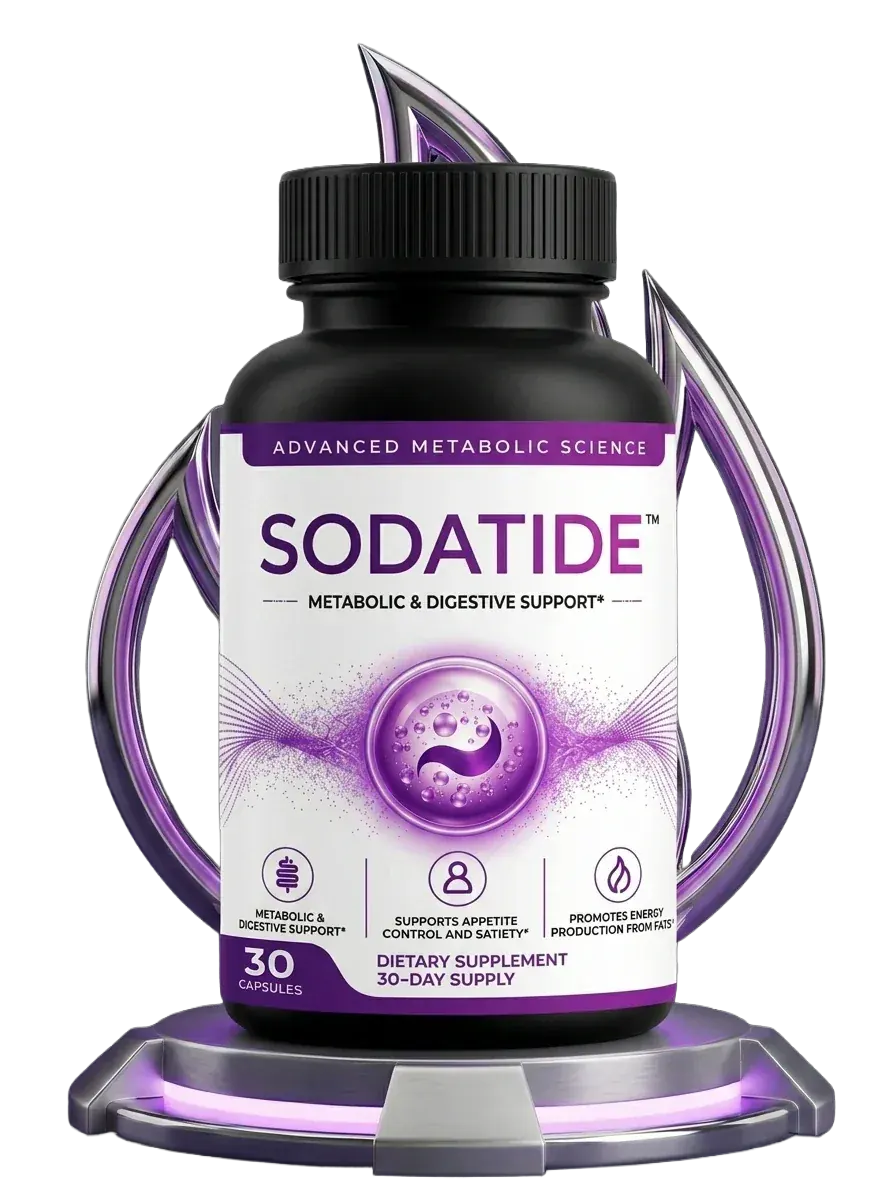
Each post takes one question buyers ask about Sodatide and answers it with the label, the numbers and the studies. The newest post is at the top.

Probiotic Safety: Why NCCIH Flags Weakened Immune Systems
| 11-minute read
NCCIH’s own guidance says probiotic risk concentrates in people with compromised immune systems and critical illness, not healthy adults. We walk through the case evidence behind that line.

No Upper Limit Set for Sodatide’s Fibers or Strains
| 10-minute read
No federal body has set a Tolerable Upper Intake Level for chicory inulin, potato resistant starch or the three named strains. Here is what the † mark is really saying.
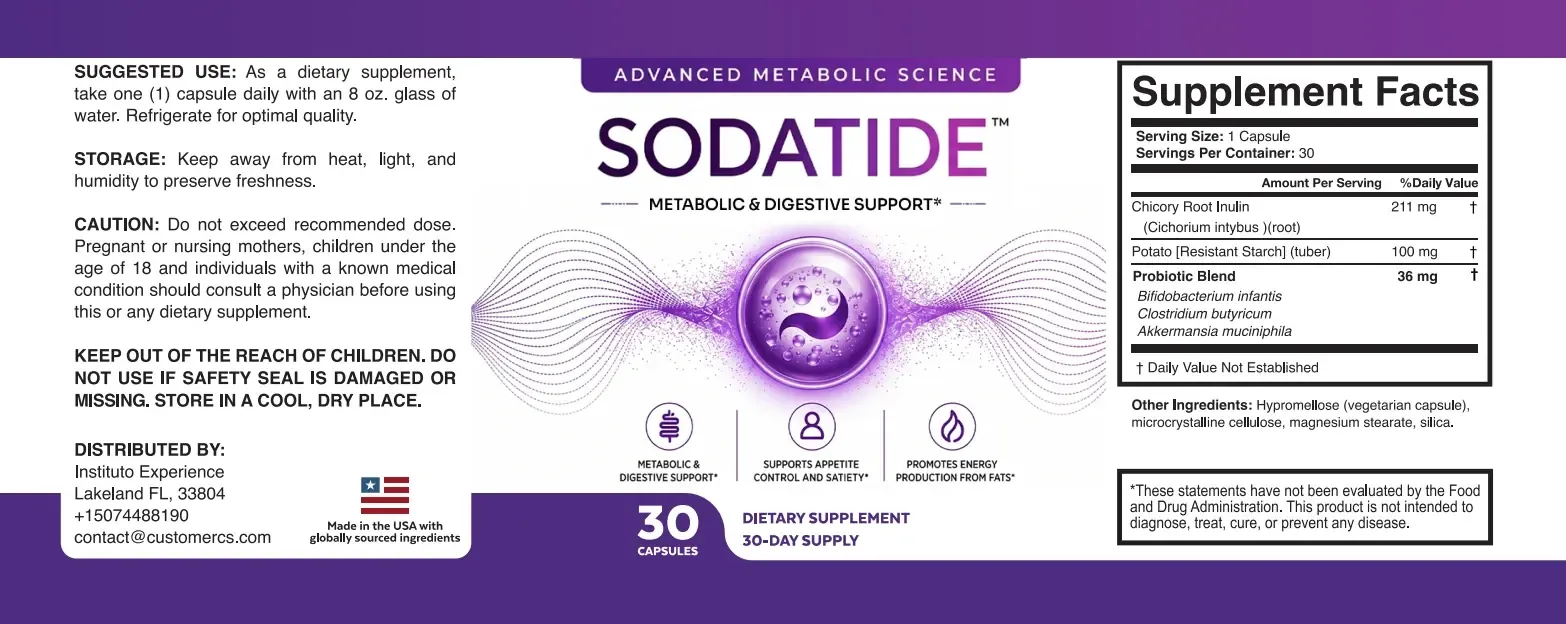
Why the Sodatide Facts Panel Is a Photo and a Table
| 10-minute read
The label photo and the text table on the Supplement Facts page are not duplicated effort. One satisfies WCAG 2.1, the other reflects a federal type-size rule.

Front Panel vs. Side Panel: What 21 CFR Requires
| 10-minute read
Federal law splits a supplement label into two legal zones. We map every required element on this label to the panel 21 CFR actually assigns it to.
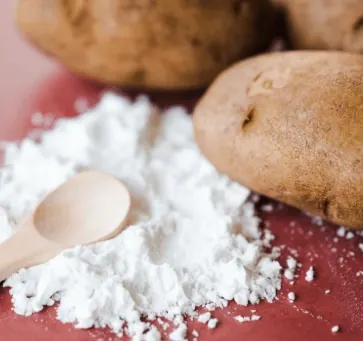
Why Sodatide’s Label Reads “Potato (Tuber)”
| 10-minute read
A federal rule requires naming the part of the plant a botanical ingredient comes from. That is why the panel reads “(tuber)” for potato starch and “(root)” for chicory.
Prebiotic, Probiotic or Synbiotic? How to Read a Gut Supplement Label
| Updated | 8-minute read
Prebiotic, probiotic and synbiotic mean different things, and each changes how you read the dose. We explain CFU, strain codes, fiber grams and storage, using the Sodatide label as the example.
Akkermansia muciniphila Explained: What the Human Studies Show
| Updated | 8-minute read
Akkermansia muciniphila is on the Sodatide label. We walk through the two human trials, the doses they used, and what a 36 mg blend with no count can and cannot tell you.

Side Effects of Sodatide: Gas, Bloating and Who Should Ask a Doctor First
| Updated | 4-minute read
Mild gas and bloating are the most likely. Here is why, who should ask a doctor first, and which signs mean stop.
Can Men Take Sodatide? What the Label Says for Men
| Updated | 4-minute read
Yes. One formula and one capsule a day for every adult 18 and over, plus who should ask a doctor first.
Where Can I Buy Sodatide? The Official Order Page and a Safe Order Checklist
| Updated | 4-minute read
The official order page, from $49 a bottle with free US shipping on 3 or more, plus a safe order checklist.
Is 211 mg of Inulin Enough? Sodatide Doses vs Research
| Updated | 9-minute read
One capsule holds 211 mg of inulin and 100 mg of potato starch. Studies used 12 to 30 grams. We put every ingredient next to its studied dose and explain what the gap means.
How we write
How do we write the Sodatide Blog?
We start from the printed Sodatide label and work outward. When the label and the marketing say different things, the label wins. When a fact is not published, we say so and leave it blank.
What every post includes
- The label amount next to the amount used in human studies, so you can see the gap for yourself
- Links to every study we cite, each one opened and read first
- A plain note when a number, such as a CFU count, is not published
- A date at the top that moves forward when we correct something
What you will not find here
No star ratings, no customer quotes and no before-and-after stories. We cannot verify any of them, so we leave them out. You will not find promises about weight or disease either, because Sodatide makes no such claims.
Topics
Which topics does the blog cover?
Every post fits one of the topics below. The table shows the question each post answers and the main sources behind it.
| Topic | Post | Main sources |
|---|---|---|
| Reading labels | Gut supplement label guide | Gibson et al., 2017, Hill et al., 2014, NIH Office of Dietary Supplements |
| Probiotic strains | Akkermansia explained | Depommier et al., 2019, Perraudeau et al., 2020, Hill et al., 2014 |
| Doses and research | Sodatide doses vs research | Micka et al., 2017, Cani et al., 2006, Alfa et al., 2018, Depommier et al., 2019 |
| Probiotic safety | Weakened immune systems | NCCIH, Yelin et al., 2019, Besselink et al., 2008, Boyle et al., 2006 |
| Upper limits | No upper limit set | Bonnema et al., 2010, NIH Office of Dietary Supplements |
| Label accessibility | Facts panel: image and text | WCAG 2.1 SC 1.1.1, 21 CFR 101.36 |
| Label law | Front panel vs. side panel | 21 CFR 101.1, 101.2, 101.36 |
| Botanical declarations | The “(tuber)” rule | 21 CFR 101.4(h), 101.36(d) |
Want the facts without the reading? The Sodatide Supplement Facts page lays out the label, and the ingredients page covers each part in turn.
Start
Where should you start?
It depends on what you want to know first. Pick the path that matches your question.
You want the exact numbers
Start with the doses post. It shows how much fiber one capsule holds next to the studied amounts.
You are curious about the strains
Read the Akkermansia post next. It covers the two human trials and what a missing count means.
You compare several products
Use the label guide. Its checklist works on any gut supplement, not just this one.
Ready to compare packs and cost per day? See Sodatide pricing. Have a topic you want covered? Email the website inbox. That inbox handles website questions only and cannot see orders.